


新闻
The Rise of Biodegradable Kraft Bags: A Sustainable Solution for the Future
2026-06-01
In recent years, the demand for sustainable packaging solutions has gained momentum, primarily due to the growing awareness of environmental issues caused by plastic waste. Among the various alternatives available, biodegradable kraft bags have captured significant attention for their eco-friendly properties and versatility. These bags are made from natural fibers, such as wood pulp, which makes them a renewable resource and a much greener option compared to conventional plastic bags.
One of the most appealing aspects of biodegradable kraft bags is their ability to decompose naturally over time. Unlike traditional plastic bags, which can take hundreds of years to break down, biodegradable options can decompose within a few months under the right environmental conditions. This characteristic not only reduces the volume of waste sent to landfills but also minimizes the potential for pollution in oceans and other natural habitats.
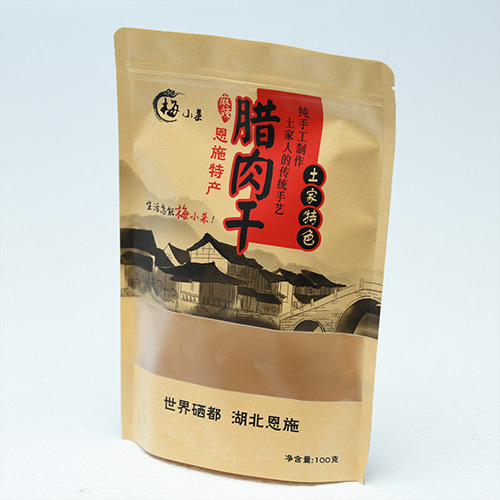
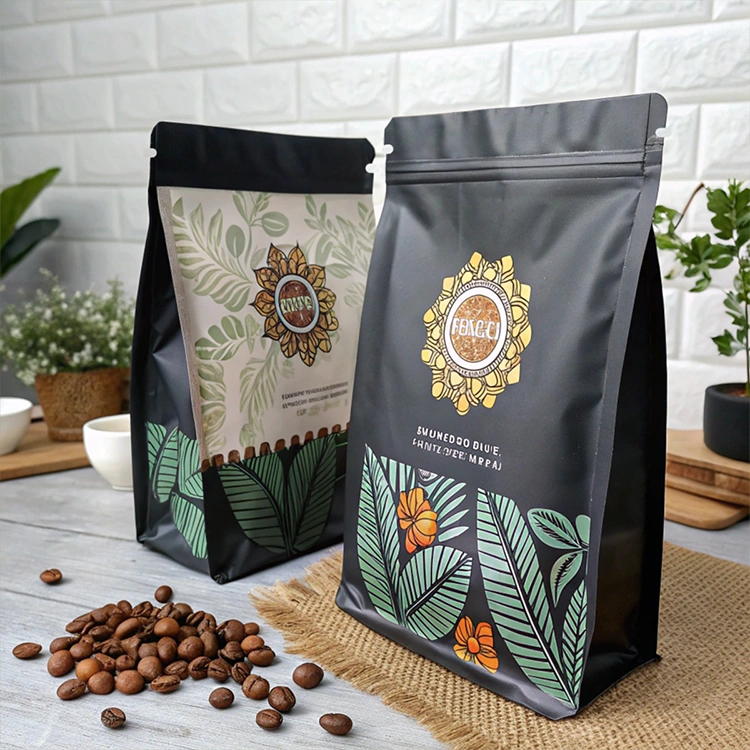
In addition to their environmental benefits, biodegradable kraft bags offer excellent strength and durability, making them suitable for various applications. They are widely used in sectors ranging from retail to food packaging, providing businesses with a sustainable way to present their products. The versatility of these bags allows them to be customized in terms of size, design, and print, ensuring that businesses can maintain their branding while adopting eco-friendly practices.
Furthermore, as consumers become more environmentally conscious, they increasingly prefer products that align with their values. By utilizing biodegradable kraft bags, companies not only enhance their sustainability image but also attract a growing customer base that prioritizes eco-friendly products. This shift in consumer behavior underscores the importance of adopting sustainable practices in the chemical and plastic industries.
It's worth noting that while biodegradable kraft bags offer numerous advantages, they are not without challenges. The cost of production can be higher than that of traditional plastic bags, and proper disposal methods are crucial to ensure that these bags decompose as intended. Businesses must educate their customers on the importance of composting or recycling these bags to maximize their environmental benefits.
In conclusion, biodegradable kraft bags present a promising solution to the pressing issue of plastic waste. As the awareness of environmental sustainability continues to rise, these bags will likely play an increasingly important role in the packaging landscape. Companies in the chemical and plastic industries are encouraged to consider incorporating biodegradable kraft bags into their product offerings as a step toward a more sustainable future.
One of the most appealing aspects of biodegradable kraft bags is their ability to decompose naturally over time. Unlike traditional plastic bags, which can take hundreds of years to break down, biodegradable options can decompose within a few months under the right environmental conditions. This characteristic not only reduces the volume of waste sent to landfills but also minimizes the potential for pollution in oceans and other natural habitats.
In addition to their environmental benefits, biodegradable kraft bags offer excellent strength and durability, making them suitable for various applications. They are widely used in sectors ranging from retail to food packaging, providing businesses with a sustainable way to present their products. The versatility of these bags allows them to be customized in terms of size, design, and print, ensuring that businesses can maintain their branding while adopting eco-friendly practices.
Furthermore, as consumers become more environmentally conscious, they increasingly prefer products that align with their values. By utilizing biodegradable kraft bags, companies not only enhance their sustainability image but also attract a growing customer base that prioritizes eco-friendly products. This shift in consumer behavior underscores the importance of adopting sustainable practices in the chemical and plastic industries.
It's worth noting that while biodegradable kraft bags offer numerous advantages, they are not without challenges. The cost of production can be higher than that of traditional plastic bags, and proper disposal methods are crucial to ensure that these bags decompose as intended. Businesses must educate their customers on the importance of composting or recycling these bags to maximize their environmental benefits.
In conclusion, biodegradable kraft bags present a promising solution to the pressing issue of plastic waste. As the awareness of environmental sustainability continues to rise, these bags will likely play an increasingly important role in the packaging landscape. Companies in the chemical and plastic industries are encouraged to consider incorporating biodegradable kraft bags into their product offerings as a step toward a more sustainable future.
Previous Page
Previous Page
Related Articles




ABLi Printing Packaging Co. Ltd
Whatsapp:
E-mail:
Company Address:
Government Resident of Tan Fang Town, Qingzhou City
Business License
Get A Quote
Please fill in your contact information carefully, we will provide you with free one-to-one VIP product technical consultation service.